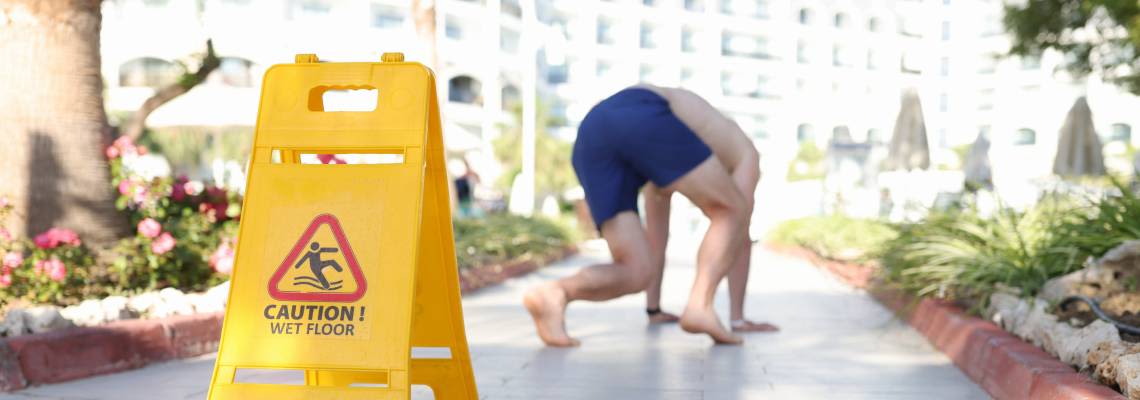
What to Do After an Injury at a Hotel or Vacation Rental
The steps you take after a hotel or vacation rental injury can be just as important as how it occurred. Start by seeking medical attention, reporting the incident to the hotel or rental host, and photographing the hazardous condition if you can do so safely. Keep records of what happened, and avoid assuming fault.
These steps can protect your health and preserve evidence if you later pursue an injury claim. At Whit A. Thomas, Attorney at Law, we represent those who have been injured by unsafe property conditions.
From our office in Foley, Alabama, we serve clients throughout Baldwin County, including Gulf Shores, Orange Beach, Elberta, Summerdale, and the surrounding communities. We can help you review the circumstances of your hotel or vacation rental injury, identify potential sources of liability, and explain your legal options.
Seek Medical Attention After the Injury
Even if your injuries seem minor at first, getting medical care promptly is important. Falls and other accidents can cause symptoms that become more noticeable hours or days later. If you have severe pain, difficulty walking, signs of a head injury, or other serious symptoms, seek emergency medical attention.
Tell your medical provider how the accident occurred and describe your symptoms. Accurate medical records can help establish the nature of your injuries and their connection to the incident.
If you’re visiting Baldwin County, Alabama, from another state, you may need follow-up treatment after returning home. Keep records of your medical appointments, prescriptions, expenses, and treatment instructions.
Report the Injury to the Hotel or Rental Host
Notify hotel management or your vacation rental host as soon as reasonably possible. At a hotel, contact the front desk manager, general manager, or security. For a vacation rental, notify the owner, property manager, or designated host.
Explain where and when the incident occurred and identify the condition that contributed to your injury. Ask the hotel to prepare an incident report and, if available, request a copy.
If you booked through an online rental platform, report the incident through its messaging system when possible to create a written record of your communication.
Keep your account factual, not speculative, and don't accept responsibility. If management declines to prepare a report, record the name of the person you contacted, when you spoke, and what was said.
Document the Hazard and Preserve Evidence
Photograph the hazardous condition and surrounding area as soon as you can safely do so. Hotels and vacation rentals may clean, repair, or alter the area before the accident can be investigated. Useful evidence includes:
Photographs of wet surfaces, broken stairs, loose railings, damaged flooring, or inadequate lighting.
Wider photographs showing the surrounding area, warning signs, and entrances or walkways.
The date, time, and exact location of the incident.
Reservation confirmations, screenshots of the original rental listing, check-in instructions, and communications with the property.
Witness contact information and records of accident-related expenses.
If security cameras may have recorded the incident, ask management to preserve the footage. Recordings may otherwise be overwritten. If you’ve already checked out, preserve any remaining evidence, including photographs, booking records, medical documentation, and written communications.
Identify Who May Be Responsible for the Injury
A hotel operator, vacation rental owner, property manager, maintenance contractor, or another party may be responsible for an injury caused by unsafe conditions. Liability depends on who controlled or maintained the hazardous area and whether that party breached an applicable legal duty.
Hotel guests are generally considered business invitees under Alabama law. Hotels must exercise reasonable care to maintain reasonably safe premises and address or warn about certain hazards.
Vacation rental arrangements may involve different legal relationships. Depending on your right to occupy the property and the circumstances of your stay, you may be treated as a guest, lodger, or tenant. Those distinctions can affect the duties owed to you. Booking through Airbnb, Vrbo, or another platform does not automatically make that company responsible for your injury.
Many Gulf Coast vacation rentals are individual condominium units. In those buildings, pools, elevators, stairwells, and walkways are often controlled by a condominium association rather than the unit’s owner, which can affect who is responsible for an injury in a common area.
Evidence that a hazard was previously reported or existed long enough to be discovered may help establish negligence. If the property operator or its employees created the dangerous condition, you may not need to provide separate evidence that they knew about it.
Alabama’s Rules on Fault and Obvious Hazards
Alabama’s open-and-obvious hazard rule and contributory negligence doctrine can significantly affect whether you recover compensation.
Under Owens v. Ganga Hospitality, LLC, the Alabama Supreme Court addressed a fall outside a hotel and explained that, under the general rule for business invitees, a property owner ordinarily has no duty to remedy or warn of hazards a reasonable person would recognize.
Under other Alabama decisions, different duties may apply in certain landlord-tenant situations, including some hazards in areas retained under the landlord’s control.
Alabama also follows contributory negligence. If your own negligence contributed to your injury, you may be barred from recovering compensation on an ordinary negligence claim, even if another party was also negligent. However, contributory negligence generally is not a defense to a wantonness claim, which involves conscious or reckless disregard for others’ safety.
These rules do not automatically make you responsible for a fall simply because a hazard was visible or your actions are disputed. Photographs, lighting conditions, and warning signs may serve as evidence when evaluating a personal injury claim.
Protect Your Interests When Dealing with Insurers
If an insurance representative contacts you after an accident, provide accurate information and consider seeking legal advice before agreeing to a recorded statement or signing a broad medical authorization.
Be cautious about accepting an early settlement. Some injuries require additional treatment, and an initial offer may not account for future medical expenses, missed work, or other consequences.
Before signing a settlement release, make sure you understand which claims and rights it would resolve, since it may prevent you from pursuing additional compensation later.
Alabama’s Personal Injury Filing Deadline
Under Alabama Code Section 6-2-38, you generally have two years to file a claim for most negligence-based personal injury lawsuits. The period ordinarily begins when the injury occurs, although certain exceptions or different rules may apply.
Reporting the accident to the hotel, rental platform, or insurance company is not the same as filing a lawsuit and does not extend the deadline. If you were injured while vacationing in Alabama, don't assume your home state’s filing deadline applies.
Discuss Your Hotel or Vacation Rental Injury with an Experienced Alabama Personal Injury Attorney
At Whit A. Thomas, Attorney at Law, our attorney, Whit A. Thomas, represents those who have been injured by hazards at hotels or vacation rental properties. A graduate of Tulane University and the University of Alabama School of Law, he focuses his practice on personal injury matters, including premises liability.
Located in Foley, Alabama, we serve clients throughout Baldwin County, including Bay Minette, Daphne, Elberta, Fairhope, Foley, Gulf Shores, Orange Beach, Summerdale, Magnolia Springs, Bon Secour, Fort Morgan, Lillian, Silverhill, Loxley, and Robertsdale.
If you were injured at a hotel or vacation rental in Baldwin County, call our office at (251) 943-9330 for a free consultation.